


-
Scientific Organizers: Michael J Krashes, Amber L. Alhadeff, Sung-Yon Kim, and Alice E Adriaenssens
Important Deadlines
Meeting Summary
Joint Meeting
This meeting runs jointly with Sensory Systems: Interoception and Exteroception.
About This Meeting:
Appetite regulation is a fundamental neurobiological process with far-reaching implications for public health, particularly in the context of obesity, eating disorders, and metabolic diseases. Targeting pathways involved in appetite regulation has resulted in highly effective new drug modalities that are revolutionizing healthcare. Despite rapidly advancing research in neuroscience and metabolism, critical gaps remain in understanding how complex neuronal circuits integrate internal states and external cues to control feeding behavior.
This Keystone Symposia conference on Neurobiology of Appetite Control will advance understanding of the neural mechanisms that govern appetite by promoting innovative research, cross-disciplinary collaboration, translational insight, and industrial innovation. The meeting will challenge traditional models of homeostatic control by highlighting emerging evidence of dynamic, context-dependent neural modulation and will spotlight the expanding role of biotechnology and pharmaceutical initiatives in developing diagnostics, therapeutics, and digital tools for treating obesity and metabolic disorders.
Joint sessions with the Keystone Symposia conference on Sensory Systems: Interoception and Exteroception will showcase groundbreaking research focused on the intersection of sensory neurobiology and the physiology of feeding behavior. This meeting will convene participants from across disciplines, including systems and behavioral neuroscientists, endocrinologists, computational modelers, clinical researchers, biotech innovators, and industry leaders. By bridging traditionally siloed domains, such as neural circuit mapping, metabolic disease modeling, and therapeutic discovery, the meeting will encourage the synthesis of ideas, resources, and techniques across fields.
The meeting fosters lasting collaborations, joint academic-industrial projects, and a holistic understanding of appetite regulation that will accelerate the translation of fundamental insights into effective clinical interventions. Attendees will leave with a deeper understanding of the field's trajectory, novel conceptual frameworks, and actionable strategies for interdisciplinary and cross-sector research to address the global burden of metabolic disease.
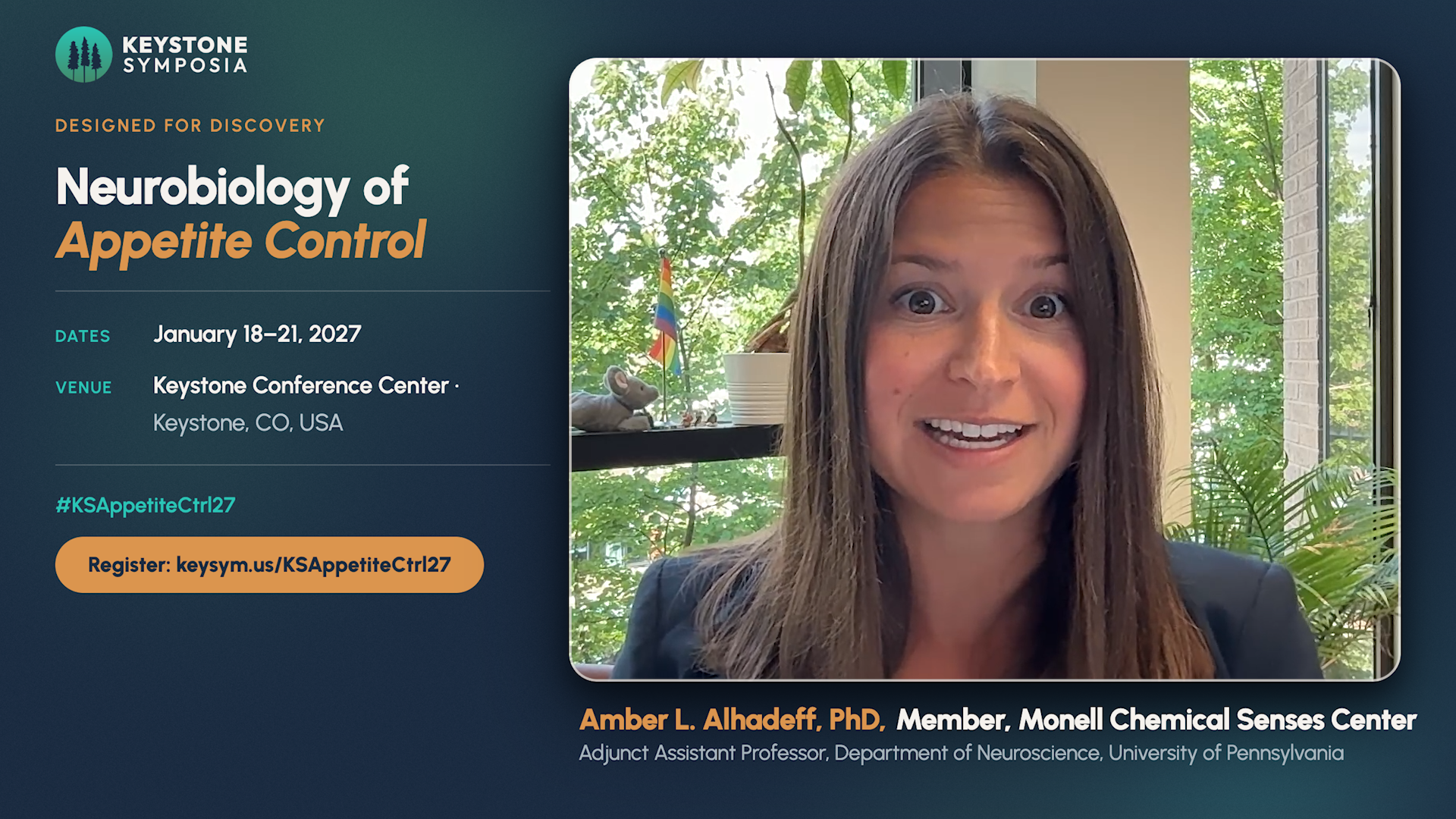
In the video below, Drs. Amber L. Alhadeff (Monell Chemical Senses Center), Sung-Yon Kim (Seoul National University) and Michael J. Krashes (NIDDK, NIH), talk about what to expect from this meeting and why you should attend:
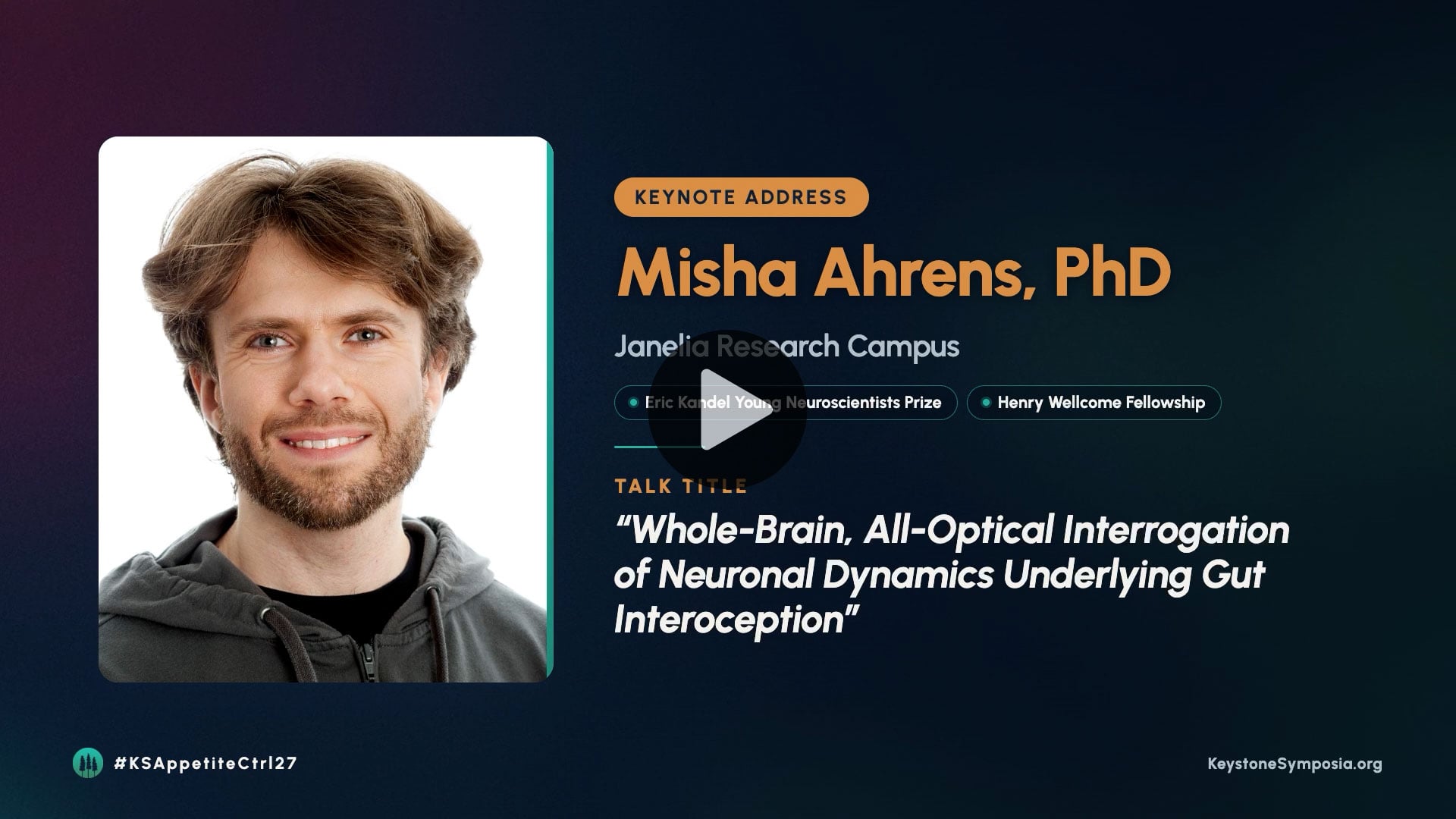
Additionally, check out the speaker highlights:
Unique Career Development Opportunities
This meeting will feature a Career Roundtable where trainees and early-career investigators will have the opportunity to interact with field leaders from across academic and industry sectors for essential career development advice and networking opportunities. Find out more about Career Roundtables here: https://www.keystonesymposia.org/diversity/career-development-initiatives